


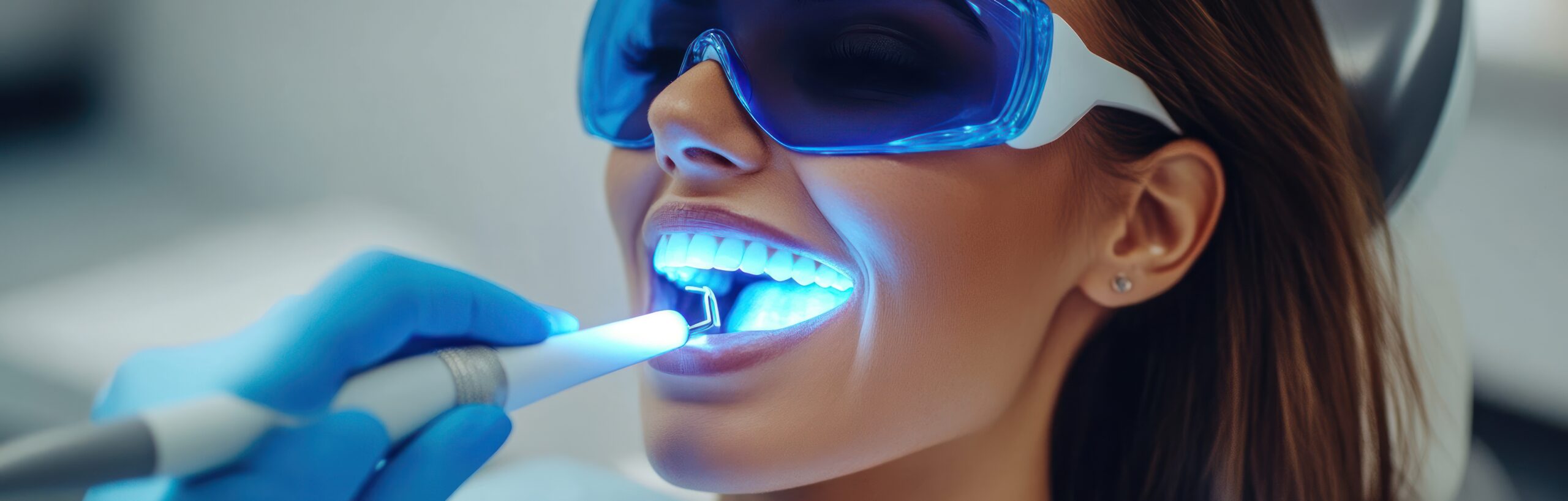
Teeth whitening treatment is one of the most requested cosmetic dental procedures today. Patients often associate whiter teeth with better hygiene, youth, and confidence. However, as a medical dental professional, I always advise people to understand not only the benefits, but also the biology, safety considerations, and correct treatment pathways before choosing any whitening method.
Whitening is not just a cosmetic trend. It is a chemical process that affects tooth structure. When done correctly under guidance, it is safe and effective. When done incorrectly or excessively, it can lead to sensitivity, enamel damage, and uneven results. This guide explains how teeth whitening works, who is suitable, what options exist, and how to approach treatment responsibly.
How Teeth Whitening Actually Works
Teeth whitening treatments work through controlled oxidation. Most professional systems use peroxide based agents, commonly hydrogen peroxide or carbamide peroxide. These agents release oxygen molecules that penetrate the enamel and break apart stain compounds inside the tooth structure.
It is important to understand that whitening does not scrub stains off the surface alone. It changes the color of internal stain molecules. That is why proper formulation, concentration, and exposure time matter.
Extrinsic stains come from outside sources such as tea, coffee, tobacco, red wine, and colored foods. These respond well to whitening. Intrinsic stains originate within the tooth due to aging, trauma, medications, or developmental conditions. These may require stronger or multiple sessions and sometimes alternative cosmetic solutions.
Who Is a Good Candidate for Teeth Whitening
Not every patient is an ideal candidate. A proper dental evaluation should always come first.
Whitening works best for people with:
- Yellow toned teeth due to aging or lifestyle stains
- Healthy enamel without active decay
- Good gum health
- No untreated cavities or fractures
Whitening is less effective or unsuitable for:
- Gray or brown intrinsic stains
- Teeth with large fillings, crowns, or veneers on front surfaces
- Pregnant or breastfeeding patients
- Children and early teenagers
- Patients with severe enamel erosion
Restorations do not whiten. If you have visible crowns or composite fillings, whitening may create a color mismatch. In such cases, treatment planning is required.
Professional Whitening vs Over the Counter Methods
From a medical standpoint, professional whitening is safer and more predictable than unsupervised products.
In clinic professional whitening
This method uses higher concentration whitening agents applied under isolation and supervision. Gums and soft tissues are protected. The procedure is controlled and usually completed in one or two visits.
Advantages include:
- Faster results
- Controlled exposure
- Reduced risk of gum injury
- Even shade improvement
- Professional monitoring of sensitivity
Light or laser activation may be used, but the main whitening action still comes from the chemical agent, not the light itself.
Dentist supervised home whitening kits
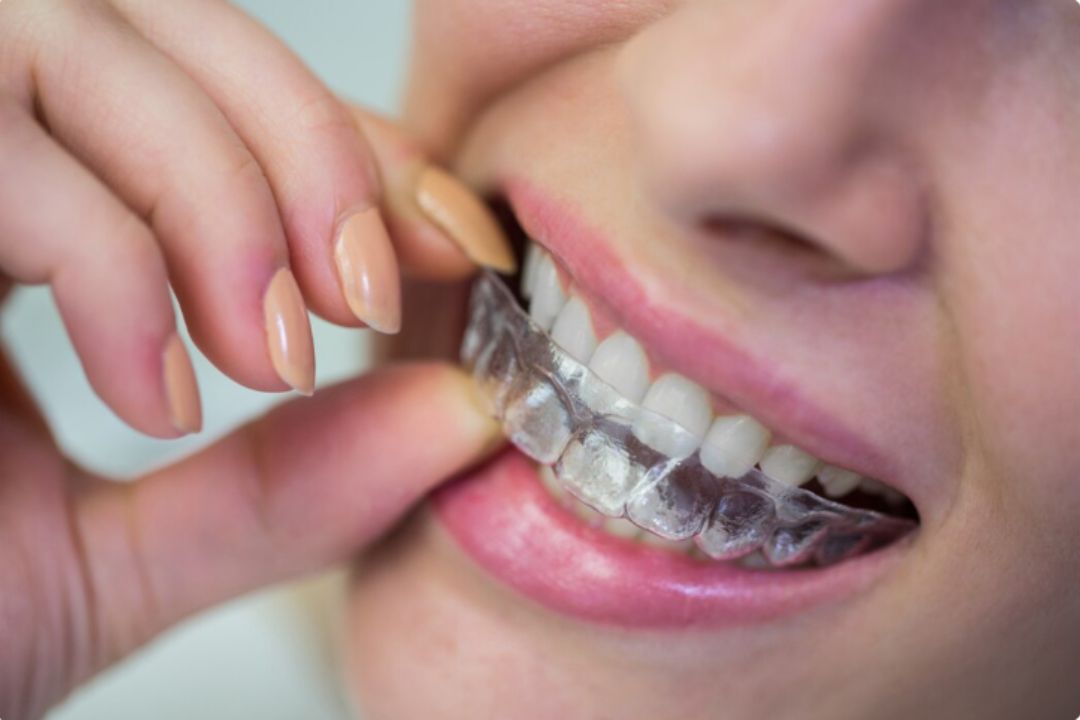
These involve custom trays and calibrated gel concentrations. Patients use them at home for a prescribed duration each day over one to three weeks.
Advantages include:
- Gradual shade control
- Lower sensitivity risk
- Custom fit trays reduce leakage
- Good balance of safety and convenience
This is often my preferred approach for patients who want steady, controlled whitening.
Over the counter strips and products
Store bought strips, pens, and trays can produce mild improvement, but they come with limitations.
Concerns include:
- Poor tray fit causing gum contact
- Uneven whitening
- Lower active concentration
- Increased misuse risk
- No dental screening before use
- These may be acceptable for minor surface stains, but they should not replace professional assessment.
Tooth Sensitivity and Safety Considerations
Sensitivity is the most common side effect of whitening. It occurs because peroxide temporarily increases enamel permeability and stimulates nerve endings.
In healthy teeth, this is usually temporary and manageable. However, in patients with enamel wear, gum recession, or cracks, discomfort can be significant.
To reduce sensitivity risk:
- Treat cavities before whitening
- Use desensitizing toothpaste beforehand
- Follow recommended exposure times
- Avoid repeated back to back sessions
- Use dentist approved formulations
Gum irritation occurs when gel contacts soft tissue. This is more common with ill fitting trays or excessive product use.
Whitening should never be painful. If sharp pain occurs, treatment should stop and a dental exam should follow.
How Long Do Whitening Results Last
Results are not permanent. Longevity depends on diet, habits, and oral care.
Average duration ranges from six months to two years. Staining habits such as smoking, frequent tea or coffee intake, and colored beverages shorten results.
To maintain whitening:
- Rinse after staining foods and drinks
- Use a straw for dark beverages
- Maintain regular dental cleanings
- Practice strong daily oral hygiene
- Consider periodic touch up treatments
Maintenance plans should be conservative, not continuous.
Common Misconceptions About Teeth Whitening
Many patients believe whitening damages enamel permanently. When properly supervised and correctly used, approved whitening systems do not remove enamel. They temporarily alter permeability but enamel structure remains intact.
Another misconception is that stronger means better. Higher concentration without control increases risk without guaranteeing better results. Dose and duration must be balanced.
Some believe natural remedies like charcoal, lemon, or baking soda are safer. In reality, many abrasive or acidic home methods increase enamel wear and should be avoided.
When Whitening Is Not the Right Solution
As a medical advisor, I sometimes recommend alternatives instead of whitening.
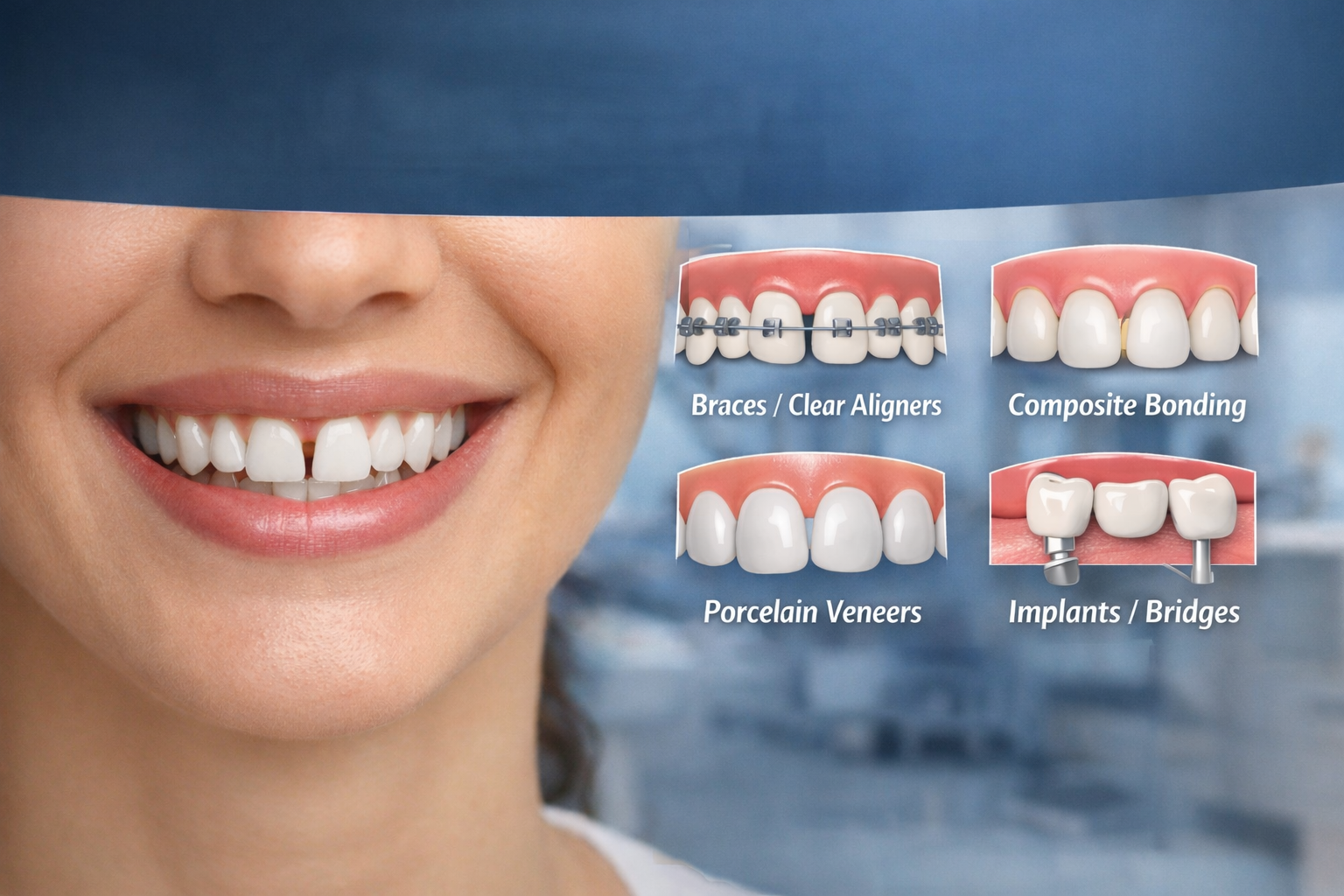
If discoloration is severe or uneven, options such as veneers or bonding may produce more predictable results. If enamel is thin or sensitivity is high, cosmetic whitening may not be advisable.
Oral health always comes before cosmetic enhancement.
Final Medical Advice
Teeth whitening treatment can be highly effective and safe when guided by dental evaluation and proper protocols. It should be approached as a clinical cosmetic procedure, not a casual beauty product.
Before starting any whitening method, get a dental checkup. Identify the type of stain, assess enamel health, and choose the correct system. Avoid shortcuts and aggressive repeated treatments.
Healthy teeth that are slightly less white are always better than damaged teeth that are artificially bright. Cosmetic improvement should support oral health, not compromise it.


Leave A Comment