


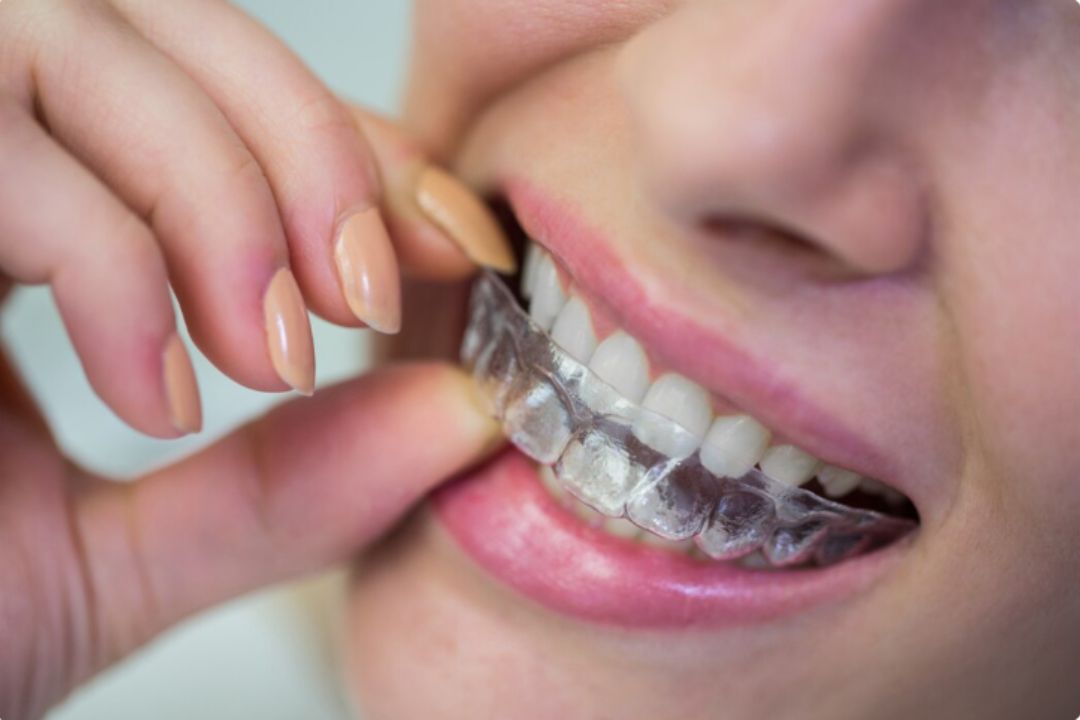
Teeth aligners have transformed modern orthodontics. Over the last decade, clear aligner systems such as Invisalign, ClearCorrect, and direct to consumer brands like SmileDirectClub have made teeth straightening more discreet and convenient. As demand increases, one key question continues to dominate patient research: how much do teeth aligners cost?
This article explores the average pricing in 2026, key cost drivers, hidden charges, and whether aligners are worth the investment.
Understanding the Average Teeth Aligners Cost
In 2026, the global cost of clear aligners typically ranges between USD 1,500 and USD 8,000. The final amount depends largely on case complexity, treatment duration, and whether the treatment is supervised by a dentist or managed remotely.
Remote monitored aligners designed for mild alignment issues usually fall between $1,500 and $3,000. Dentist supervised treatments for moderate cases range from $3,000 to $5,000. More complex orthodontic cases that require comprehensive correction may cost between $5,000 and $8,000.
In India, aligner treatments are generally more affordable compared to Western markets. Patients can expect pricing between ₹70,000 and ₹2,50,000 depending on the provider, city, and treatment plan.
What Determines the Cost of Teeth Aligners
The price of aligner treatment is not fixed. Several research backed factors influence the total cost.
First, case complexity plays a significant role. Minor crowding or spacing requires fewer trays and shorter treatment time. Severe bite issues, crossbites, or jaw misalignment demand more aligners and closer monitoring, which increases cost.
Second, brand and technology impact pricing. Premium systems invest in advanced 3D imaging, artificial intelligence driven treatment planning, and patented aligner materials. These innovations improve precision and comfort but also raise the overall price.
Third, treatment duration affects cost. Short term plans lasting three to six months are usually more affordable than comprehensive treatments extending over 12 to 24 months.
Location and professional expertise also influence pricing. Orthodontists in metropolitan areas with advanced facilities may charge higher fees than smaller clinics. Experience and specialization often justify the difference.
Finally, post treatment care can add to the expense. Retainers, refinement trays, follow up scans, and long term monitoring may or may not be included in the initial quote.
Comparing Aligners and Traditional Braces
Traditional metal braces typically cost between $2,000 and $6,000 globally. Clear aligners may be slightly more expensive, especially for complex corrections. However, aligners offer several practical advantages.
They are nearly invisible, removable during meals, and easier to maintain for oral hygiene. Many patients prefer aligners for professional or social reasons. For working adults and young professionals, this convenience often justifies the additional expense.
That said, severe orthodontic conditions may still require traditional braces for optimal correction.
Insurance and Financing Options
Dental insurance coverage for aligners varies by provider and country. Many policies treat aligners similarly to braces and cover a percentage of orthodontic expenses up to a lifetime limit. Patients should verify coverage details before starting treatment.
Clinics frequently offer installment based payment plans, interest free financing, or monthly EMI options to make treatment more accessible.
Hidden Costs to Watch For
When evaluating teeth aligners cost, patients should request a detailed breakdown. Some providers may charge separately for initial consultations, 3D scans, replacement trays, refinements, or retainers. Understanding what is included helps prevent unexpected expenses later.
Is the Investment Worth It
Studies indicate high satisfaction rates among aligner users due to improved aesthetics and comfort. However, treatment success depends heavily on patient compliance. Aligners must be worn for 20 to 22 hours per day to achieve planned results.
For mild to moderate alignment issues, clear aligners are highly effective. They also improve oral hygiene, bite function, and long term dental health when used correctly.
Final Perspective
Teeth aligners cost in 2026 varies widely based on complexity, brand, and level of professional supervision. While the typical investment ranges between $3,000 and $6,000 for dentist supervised care, patients should focus not only on price but also on quality, expertise, and long term outcomes.
A professional consultation remains the most reliable way to determine the right treatment plan and associated costs. Clear aligners are not just a cosmetic choice. They represent a structured orthodontic solution designed to improve both appearance and overall dental health.


Leave A Comment