

Cosmetic dentistry has advanced into a precision-driven dental specialty that combines clinical science, digital technology, and aesthetic design. Today, it is no longer limited to surface-level improvements. Modern cosmetic dental care focuses on measurable outcomes, minimally invasive methods, and predictable smile transformation.
This article presents a professional overview of cosmetic dentistry, including current clinical procedures, research-driven treatment philosophy, workflow standards, and the technological achievements shaping next-generation smile design.
Understanding Cosmetic Dentistry
Cosmetic dentistry focuses on improving smile aesthetics while maintaining functional integrity and long-term oral health. The discipline integrates restorative science, digital diagnostics, and advanced biomaterials to deliver natural-looking and durable outcomes.
Modern cosmetic dentistry typically addresses:
-
Tooth color and brightness
-
Shape and size irregularities
-
Alignment and spacing
-
Surface damage and wear
-
Gum line symmetry
-
Overall smile balance
The goal is not only visual enhancement but structural harmony and longevity.
Research Driven Philosophy in Cosmetic Dental Care
Contemporary cosmetic dentistry is guided by evidence-based protocols and materials science. Clinical decision-making now prioritizes preservation of tooth structure, predictable bonding performance, and long-term stability.
Key research-driven principles include:
- Minimally invasive preparation: Treatment planning emphasizes enamel preservation and conservative reshaping rather than aggressive reduction.
- Advanced bonding systems: Modern adhesive techniques create strong micro-bonds between restorations and natural tooth surfaces, improving retention and durability.
- High performance ceramics and composites: New generation materials are engineered for strength, translucency, and color stability, closely mimicking natural enamel.
- Digital diagnostics and simulation: Smile outcomes are planned using digital models and facial analysis rather than estimation alone.
Standard Professional Cosmetic Dentistry Workflow
A structured clinical workflow improves predictability and patient satisfaction.
Comprehensive Smile Evaluation
The process begins with a full aesthetic and functional assessment:
-
Facial proportion analysis
-
Tooth and gum symmetry review
-
Bite and occlusion mapping
-
Photographic documentation
-
Digital intraoral scanning
Clinicians evaluate both static appearance and dynamic smile movement.
Clinical Perspective:
Aesthetic treatment should begin with diagnosis and facial analysis, not just tooth-level correction.
Digital Smile Planning
Digital smile planning software allows practitioners to simulate the final outcome before treatment begins.
This stage includes:
-
Smile line calibration
-
Tooth proportion design
-
Shade planning
-
Facial harmony overlay
-
Patient preview models
Preview-driven planning increases acceptance and reduces revision risk.
Conservative Tooth Preparation
Modern cosmetic procedures favor conservative methods:
-
Micro-preparation techniques
-
Enamel-only preparation where possible
-
Laser assisted soft tissue contouring
-
Guided templates for precision
The objective is to preserve natural tooth structure while achieving aesthetic goals.
Precision Fabrication
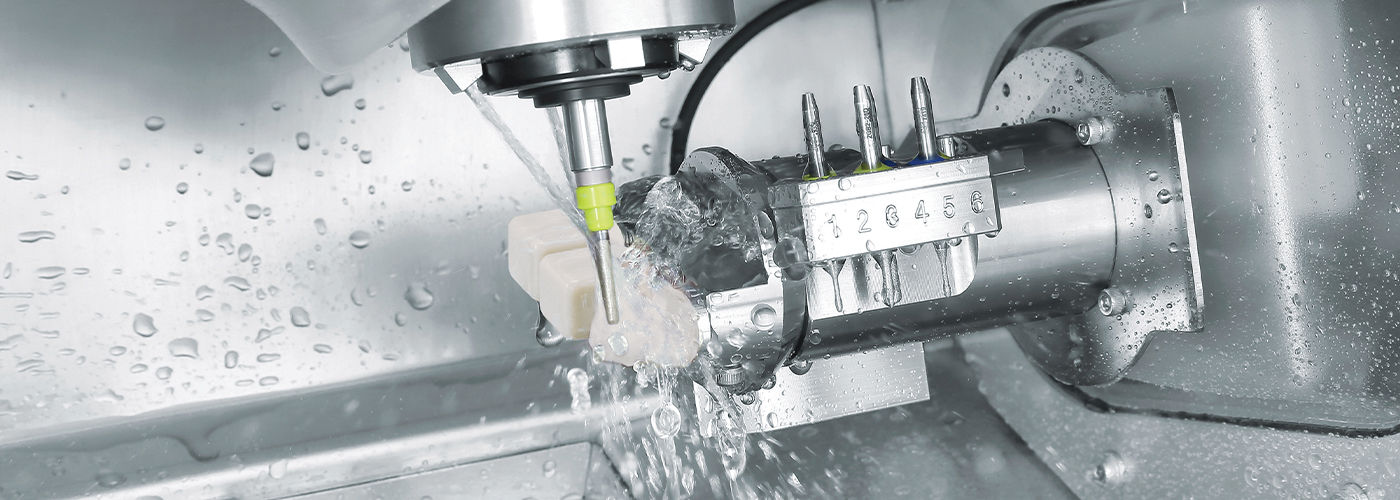
Restorations are produced using high-accuracy digital systems:
-
CAD CAM milling
-
Layered ceramic fabrication
-
Digital shade matching
-
3D printed mockups and guides
Digital manufacturing reduces variability and improves fit accuracy.
Trial and Final Bonding
Before final placement, restorations undergo verification steps:
-
Fit and margin evaluation
-
Shade confirmation under neutral light
-
Bite alignment testing
-
Adhesive bonding under controlled isolation
Proper bonding protocol is essential for restoration longevity and performance.
Clinical Perspective:
The bonding stage is technique-sensitive and directly influences long-term success rates.
Major Technological Achievements in Cosmetic Dentistry
Technological progress has significantly expanded treatment precision and efficiency.
Digital Scanning Systems
-
Replace traditional impressions
-
Improve accuracy
-
Increase patient comfort
-
Enable faster workflow integration
CAD CAM Restorative Systems
-
High precision restorations
-
Reduced turnaround time
-
Same-day treatment possibilities
Laser Assisted Cosmetic Procedures
-
Precise gum contouring
-
Reduced bleeding and discomfort
-
Faster healing response
3D Printing Applications
-
Smile mockups
-
Treatment guides
-
Orthodontic models
-
Predictive prototypes
Common Cosmetic Dentistry Treatments
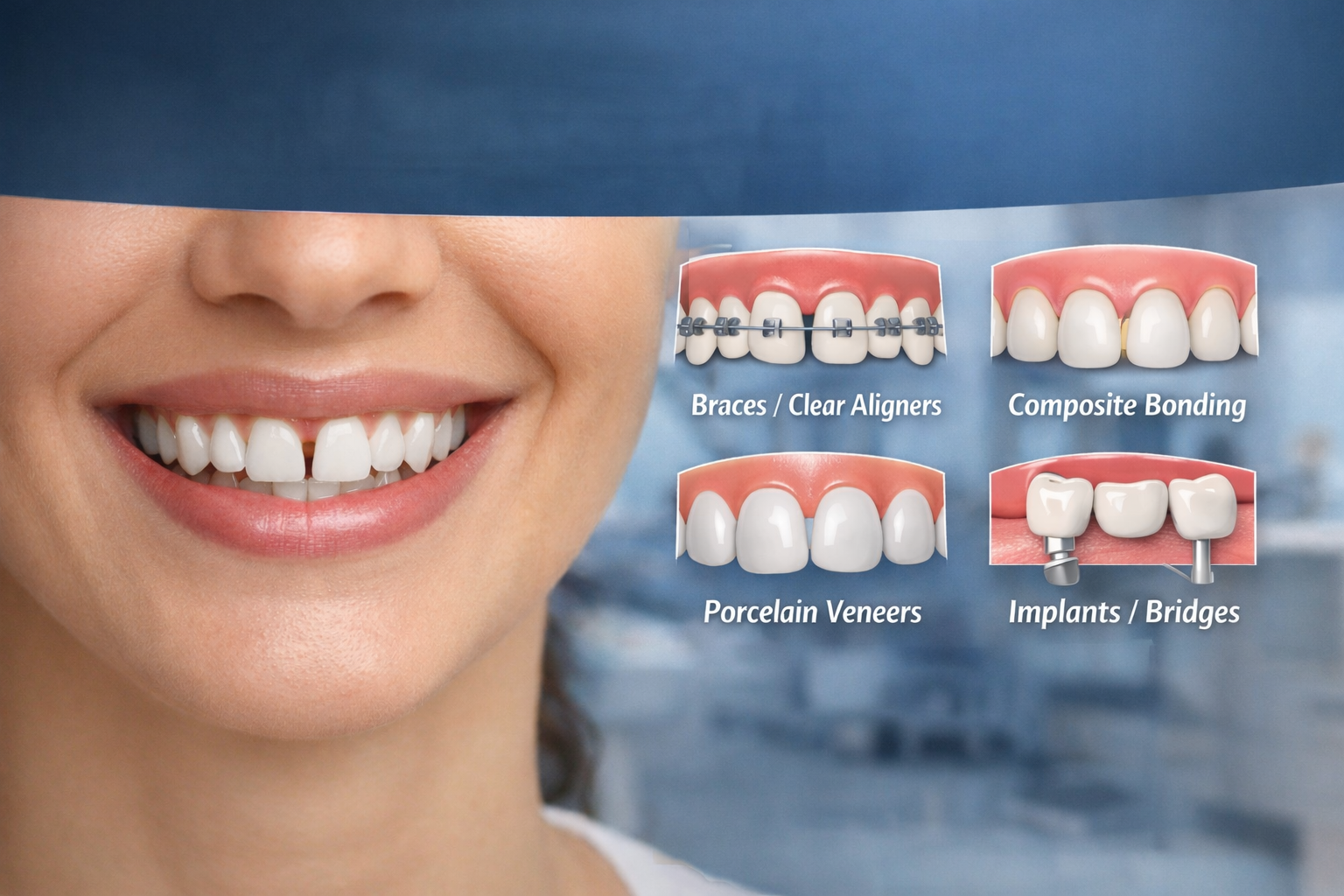
Modern cosmetic dentistry includes a wide range of procedures:
-
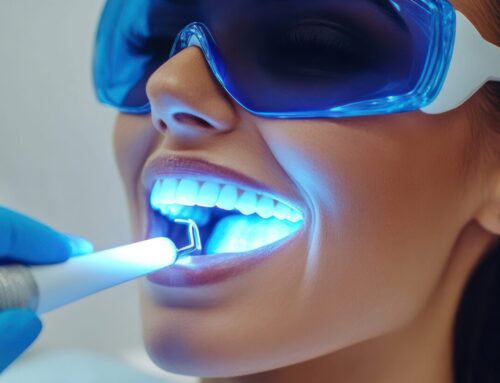
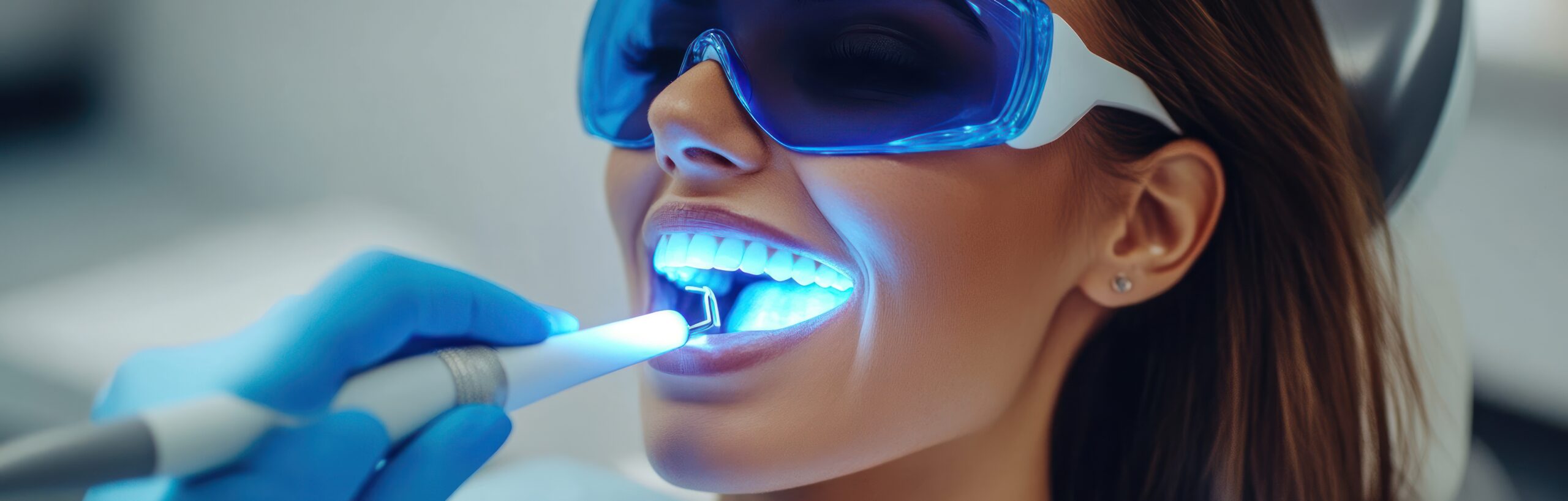
Professional teeth whitening
-
Porcelain and ceramic veneers
-
Direct composite bonding
-
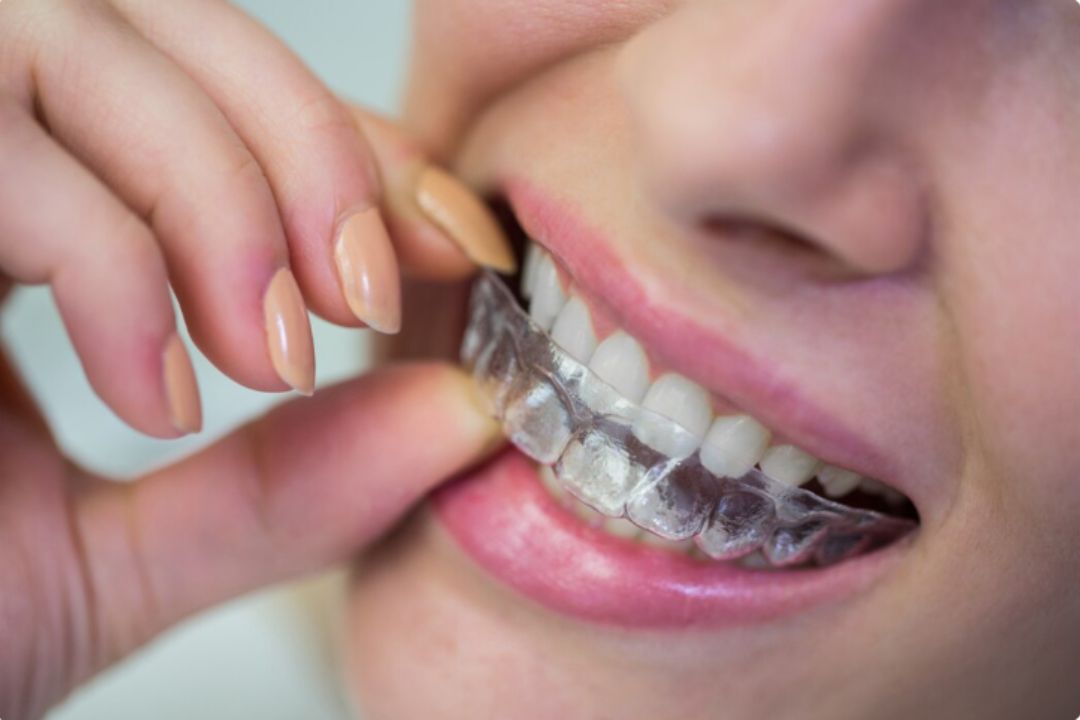
Clear aligner orthodontics
-
Gum contouring
-
Smile makeover programs
-
Full mouth aesthetic rehabilitation
Treatment plans are often multi-step and personalized rather than single-procedure solutions.
Measurable Clinical Achievements
With current technology and protocols, cosmetic dentistry has achieved:
-
Higher restoration survival rates
-
Improved color stability
-
Reduced post-treatment sensitivity
-
Greater precision in smile symmetry
-
Shorter treatment timelines
-
Increased patient satisfaction
-
Better functional-aesthetic balance
Outcomes are now more repeatable and data-driven than ever before.
The Future Direction of Cosmetic Dentistry
Emerging developments continue to improve predictability and personalization:
-
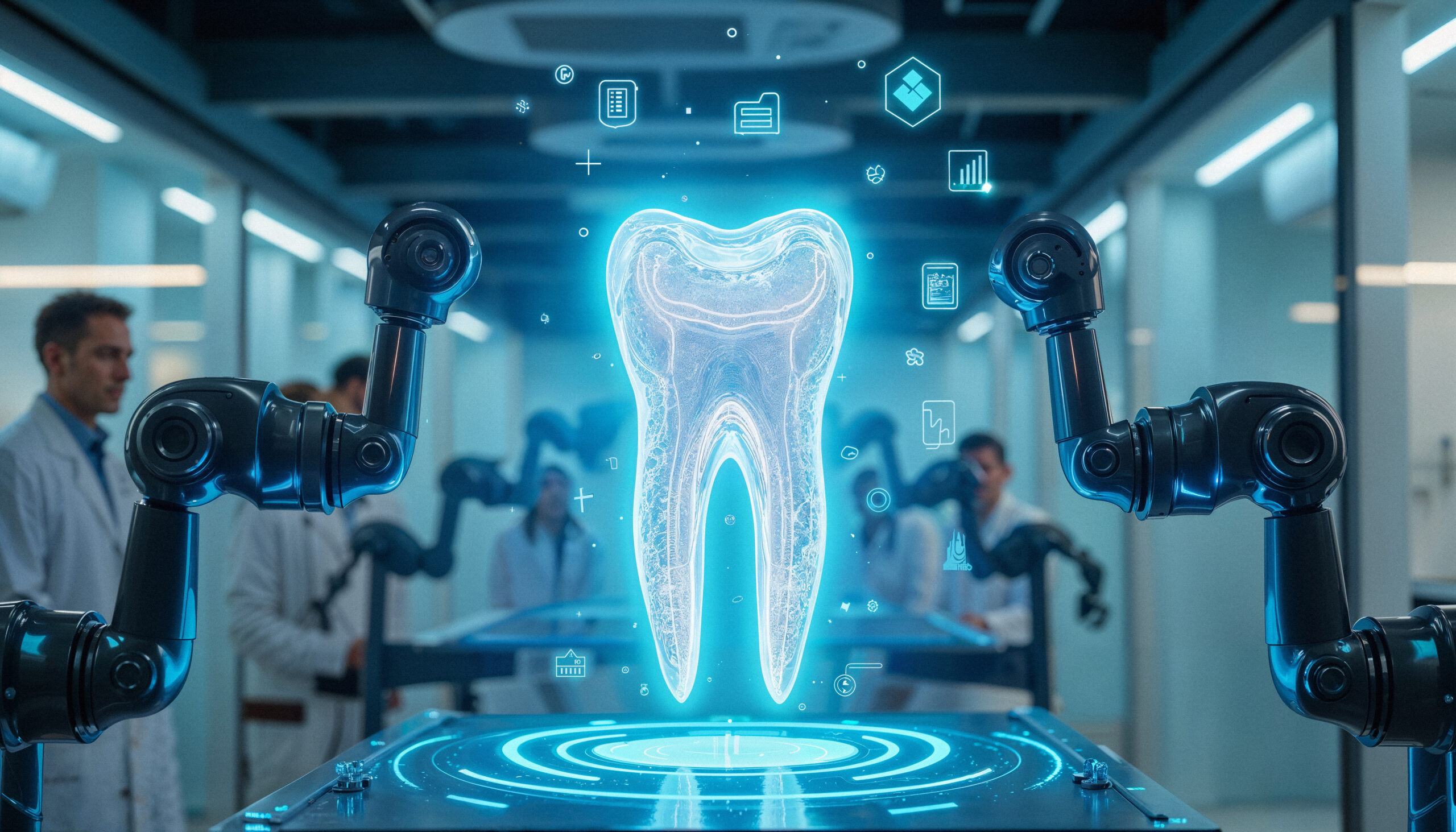
AI assisted smile planning
-
Bioactive restorative materials
-
Advanced shade mapping systems
-
Fully digital chairside workflows
-
Regenerative surface treatments
Cosmetic dentistry is evolving toward a model where aesthetics, biology, and technology operate together for long-term success.

Leave A Comment