

Losing a tooth can be a challenging experience, impacting not just your smile but also your ability to chew and speak comfortably. While there are several options to replace missing teeth, dental implants have emerged as a highly popular and effective solution, often considered the gold standard in modern dentistry. If you’re in Delhi and considering tooth replacement, understanding dental implants is the first step towards a healthier, more confident smile. At Dental Works Clinic in Paschim Vihar, Delhi, we believe in empowering our patients with clear, reliable information so you can make the best choices for your oral health.
What are Dental Implants?
At its core, a dental implant (artificial tooth root made of biocompatible metal placed in the jawbone) is a sophisticated prosthetic device designed to replace a missing tooth. Think of it as a sturdy foundation that mimics your natural tooth root, providing stable support for a replacement tooth.
A complete dental implant system typically consists of three main parts:
- Implant Fixture (the screw-like post): This is the titanium post that is surgically placed into your jawbone. Titanium is a biocompatible metal (a material that is safe and compatible with living tissue), meaning your body readily accepts it without adverse reactions. Over time, your jawbone will naturally grow around and fuse with this fixture, creating an incredibly strong and stable anchor.
- Abutment (the connector piece): Once the implant fixture has healed, a small connector, called an abutment, is attached to it. This piece extends above the gum line and serves as the attachment point for your new, visible tooth.
- Crown (the artificial tooth): This is the visible part of the implant, custom-made to look and function exactly like your natural teeth. Crowns are usually made from durable materials like porcelain or ceramic, carefully matched to the colour, shape, and size of your existing teeth for a seamless appearance.
Who is a Good Candidate for Dental Implants?
Dental implants offer a versatile solution for many people, but they aren’t suitable for everyone. A thorough evaluation by a qualified implant dentist is essential to determine if you are a good candidate. Generally, implants are recommended for individuals experiencing:
- Missing Teeth: Whether you’ve lost a single tooth, multiple teeth, or even all your teeth, implants can provide a fixed and comfortable replacement.
- Difficulty Chewing: Missing teeth can significantly impair your ability to chew certain foods, leading to dietary restrictions and digestive issues. Implants restore full chewing efficiency.
- Loose Dentures: For those who wear traditional dentures, implants can provide a secure anchor, preventing slippage, discomfort, and the need for messy adhesives. This dramatically improves stability and confidence.
- Adequate Bone Density (bone quantity and quality needed to hold the implant): This is a critical factor. The implant fixture needs sufficient healthy jawbone to fuse with. If your bone density is insufficient due to prolonged tooth loss or other factors, a bone graft (a procedure to add bone material to the jaw) might be necessary before implant placement.
- Good Overall Oral Health: Your gums should be healthy and free from periodontal disease (gum infection). Any existing dental issues will need to be addressed before implant surgery.
- Good General Health: While generally safe, patients should be in good overall health, free from uncontrolled chronic diseases like diabetes or heart conditions that could interfere with healing.
Step-by-Step Dental Implant Procedure
The process of getting a dental implant typically involves several stages, spanning a few months. This phased approach ensures optimal healing and integration for long-term success.
- Diagnostic Phase (Planning): This crucial initial stage involves a comprehensive assessment by your dentist.
- Clinical Examination: A thorough check of your mouth, gums, and remaining teeth.
- Dental X-rays (radiographic images of teeth and jaws): These provide detailed pictures of your teeth, roots, and surrounding bone structure.
- CBCT Scan (3D scan that shows bone and nerve position): This advanced imaging technique creates detailed three-dimensional images of your jawbone, allowing the dentist to precisely map out bone density, identify vital structures like nerves and sinuses, and plan the exact placement of the implant.
- Treatment Planning: Based on the diagnostic findings, your dentist will develop a personalized treatment plan, discussing all options and answering your questions.
- Surgical Placement of the Implant: During a minor surgical procedure performed under local anaesthesia (numbing the area), the implant fixture (the titanium screw) is carefully placed into your jawbone at the precise location determined during the planning phase. After placement, the gum tissue is often closed over the implant.
- Osseointegration (process where the bone naturally fuses with the implant): This is the most critical healing phase. Over the next 3 to 6 months (sometimes longer), your jawbone will gradually grow around and bond with the titanium implant surface. This creates a rock-solid foundation for your new tooth, making it as stable as a natural tooth root.
- Placing the Abutment and Final Crown: Once osseointegration is complete, a minor follow-up procedure may be needed to expose the top of the implant (if it was covered by gum tissue). Then, the abutment (connector piece) is attached to the implant. After this, impressions (moulds) of your mouth are taken to custom-fabricate your final crown (the artificial tooth). Once ready, the crown is securely cemented or screwed onto the abutment, completing your new smile.
Types of Implant Solutions
Dental implants are incredibly versatile and can be used to address various tooth loss scenarios:
- Single Tooth Implant: If you are missing just one tooth, a single implant is placed to support one custom-made crown, seamlessly filling the gap.
- Multiple Implants: For several missing teeth in different areas, individual implants can be placed to support separate crowns.
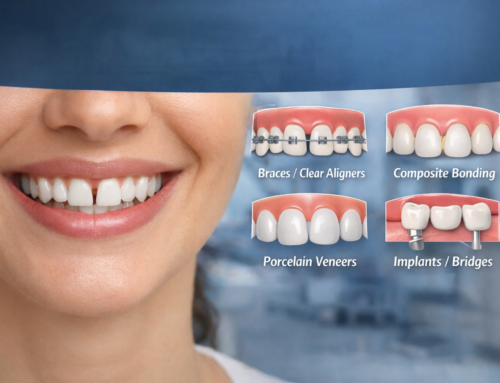
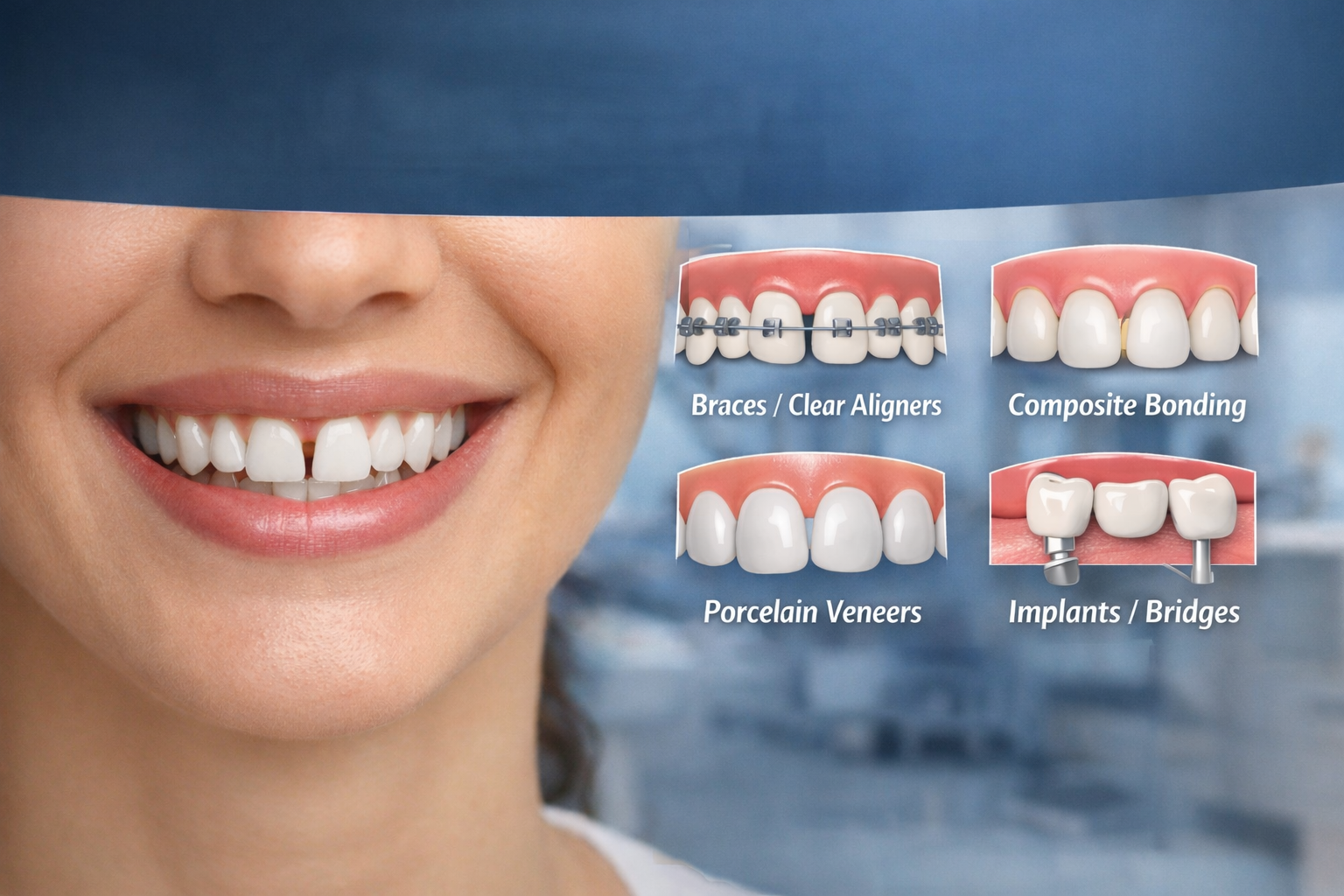
- Implant-Supported Bridge (row of artificial teeth supported by implants): If you are missing a few consecutive teeth, two or more implants can be strategically placed to support a bridge, which is a unit of several connected crowns. This avoids the need to grind down healthy adjacent teeth, as required for traditional bridges.
- Implant-Supported Denture (All-on-4 or All-on-6): For those missing all teeth in an arch (upper or lower jaw), a few strategically placed implants (typically 4 or 6) can securely anchor a full arch of artificial teeth. This offers vastly superior stability and comfort compared to traditional removable dentures.
Benefits and Possible Risks
Like any medical procedure, dental implants come with a host of benefits but also potential risks.
Benefits:
- Enhanced Chewing Efficiency: Implants restore your ability to eat all your favourite foods with confidence, just like natural teeth.
- Improved Jaw Bone Preservation: When a tooth is lost, the jawbone beneath it can start to resorb (shrink) over time. Implants stimulate the bone, preventing this loss and maintaining your facial structure.
- Superior Aesthetics: Custom-made crowns blend seamlessly with your natural teeth, offering a beautiful and natural-looking smile.
- Durability and Longevity: With proper care, dental implants can last for many decades, often a lifetime, making them a long-term investment in your oral health.
- No Impact on Adjacent Teeth: Unlike traditional bridges, implants do not require altering neighbouring healthy teeth.
Possible Risks/Complications (rare but important to be aware of):
- Infection (peri-implantitis – inflammation around the implant): Similar to gum disease around natural teeth, bacteria can sometimes cause inflammation around the implant. This can usually be treated if caught early.
- Nerve Injury (damage to nearby nerve causing numbness or tingling): This is a very rare complication, typically associated with lower jaw implants, and is largely avoidable with precise pre-surgical planning using advanced imaging like CBCT scans.
- Sinus-Related Issues for Upper Jaw Implants: If an implant is placed in the upper jaw, especially near the back, it can sometimes protrude into the sinus cavity (air-filled spaces behind the cheekbones). This can be prevented with careful planning and sometimes a sinus lift (a procedure to add bone to the upper jaw in the area of the molars and premolars).
- Implant Failure: In rare cases, the implant may not properly fuse with the bone (osseointegration failure). This can sometimes be rectified with a new implant.
Aftercare and Long-Term Maintenance
Proper care is paramount for the longevity of your dental implants. They may be artificial, but they require the same meticulous attention as natural teeth.
- Excellent Oral Hygiene Instructions: Brush and floss your implant-supported teeth diligently, just like your natural teeth. Your dentist or hygienist will provide specific instructions and recommend tools like interdental brushes or water flossers for cleaning around the implant.
- Regular Follow-ups and Professional Cleanings (prophylaxis – professional cleaning to remove plaque and tartar): Regular dental check-ups are crucial. Your dentist will monitor the health of your implant, surrounding gums, and bone. Professional cleanings help remove plaque and tartar buildup that even diligent brushing can miss, preventing potential issues like peri-implantitis.
How a Modern Clinic Manages Implant Cases
At Dental Works Clinic in Paschim Vihar, Delhi, we leverage cutting-edge technology to ensure the highest standards of safety, precision, and patient comfort in dental implant procedures.
- Digital X-rays (low-radiation imaging): Our use of digital X-rays minimizes radiation exposure while providing immediate, high-resolution images for accurate diagnosis.
- Intraoral Scanners (cameras that take 3D images inside the mouth): These eliminate the need for traditional, messy impressions, creating precise 3D models of your teeth and gums for superior planning and custom crown fabrication.
- Guided Surgery (computer-planned implant placement): This advanced technique uses the CBCT scan data to create a custom surgical guide. This guide ensures the implant is placed in the exact pre-planned position, angle, and depth, significantly enhancing safety, precision, and predictability, especially in complex cases.
Dental implants are a significant investment in your oral health and quality of life. Understanding the process, benefits, and maintenance involved is key to a successful outcome. If you are considering dental implants in Delhi, we encourage you to consult a qualified implant dentist for a thorough evaluation and personalized advice tailored to your unique needs. They can assess your specific situation, discuss the best implant solution for you, and guide you every step of the way towards a confident and healthy smile.




Leave A Comment