

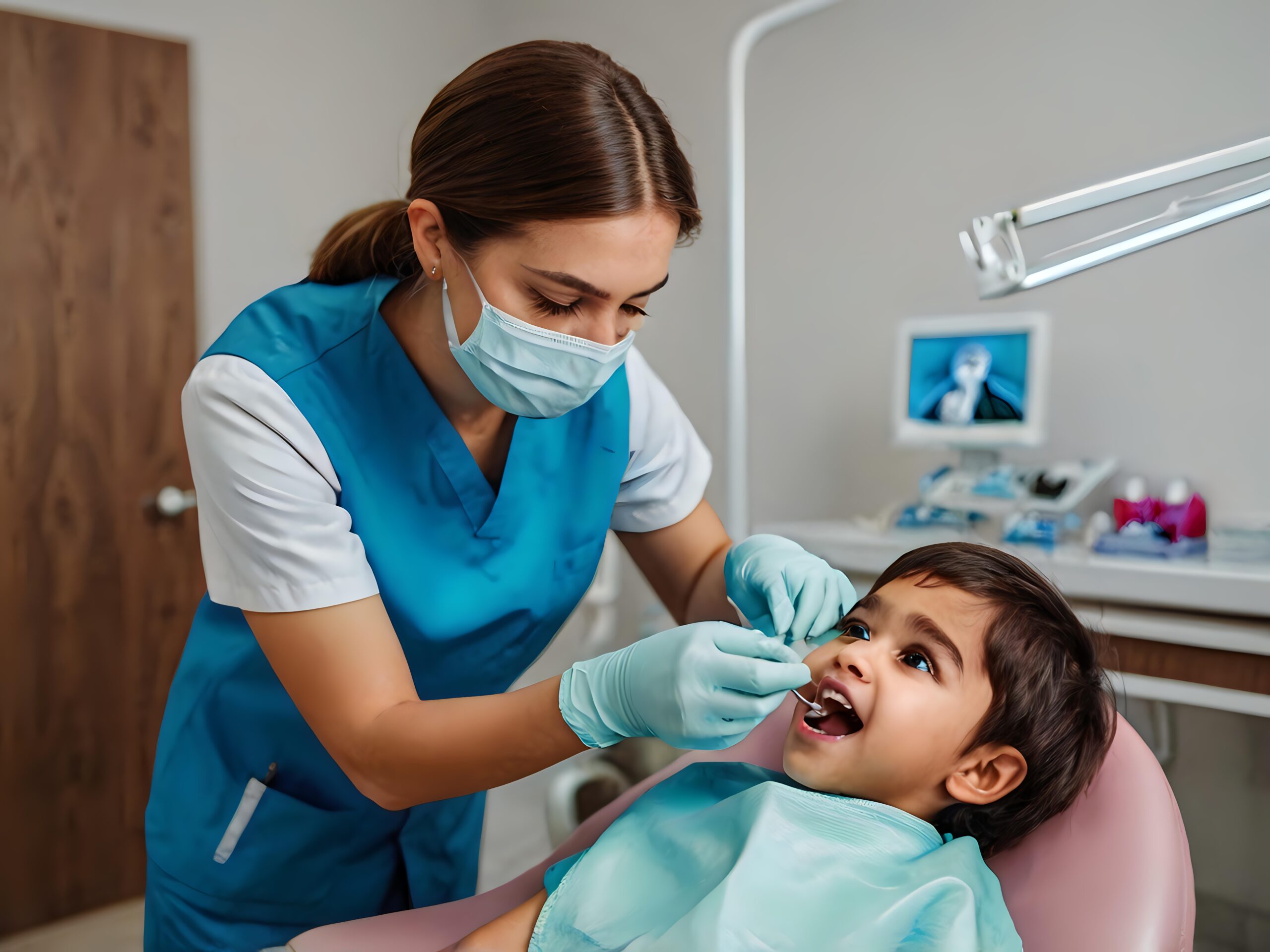
As a parent, you track every milestone: the first step, the first word, and yes, the first tooth. But many parents are unsure when dental care should actually begin. Should you wait until they have a full set of teeth? Do baby teeth really matter since they fall out anyway?
The answer is: Yes, they matter immensely.
Primary teeth (medical term: Deciduous Teeth) are not just temporary place-fillers. They are essential for proper chewing, speech development, and most importantly, holding space for the permanent teeth. If they are lost too early due to decay, the adult teeth can come in crooked, impacted, or crowded, leading to a lifetime of expensive orthodontic issues.
Welcome to your comprehensive guide on pediatric dental care at Dental Works Clinic.
The “Age One” Rule: When to Start
The American Academy of Pediatric Dentistry (AAPD) recommends that a child’s first dental visit should happen by their first birthday or within six months of their first tooth erupting.
Why so early?
- Acclimatization: We want your child’s first experience to be a “Happy Visit”—riding in the chair, counting teeth, and getting a sticker. If you wait until they have a toothache, their first association with the dentist will be pain and fear.
- Early Detection: We check for developmental issues, tongue ties, and early signs of enamel weakness.
- Parental Education: We teach you how to clean their gums and teeth before bad habits set in.
The Silent Enemy: Early Childhood Caries (ECC)
One of the most common and aggressive issues we see in toddlers is Nursing Bottle Caries (Baby Bottle Tooth Decay). This specific type of decay happens rapidly and affects the upper front teeth first.
The Cause: It typically happens when a child is put to bed with a bottle of milk, formula, juice, or sweetened tea.
The Mechanism: When a child sleeps, their saliva flow decreases. If sugary liquids pool around their teeth all night, bacteria feed on that sugar and produce acid. This acid attacks the enamel for hours, causing chalky white spots that quickly turn into brown cavities.
Prevention Strategy:
- Only put water in bedtime bottles.
- Wipe your baby’s gums with a clean, damp cloth after every feeding, even before teeth appear.
- Transition from a bottle to a sippy cup by age 1.
Protective Shields: What are Dental Sealants?
As your child grows, their permanent molars erupt around age 6. Unlike smooth front teeth, molars have deep grooves and pits on their chewing surfaces. These fissures are often narrower than a single bristle of a toothbrush. Food gets stuck, bacteria settle in, and cavities form no matter how well they brush.
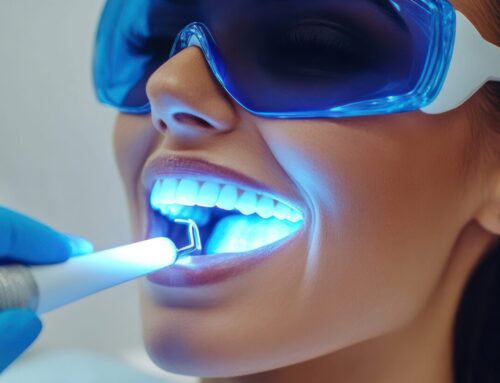
This is where Pit and Fissure Sealants come in. A sealant is a thin protective plastic coating applied to the chewing surfaces of back teeth. It flows into the deep grooves and hardens under a special light, creating a smooth shield that seals out food and bacteria.
- Pain Factor: Zero. No drilling, no needles, no numbing.
- Longevity: Sealants can protect against cavities for many years during the most cavity-prone ages (6–14).
Fluoride: Nature’s Cavity Fighter
You will often hear us recommend Fluoride Treatments. Tooth enamel is made of minerals. Every day, acids from food and bacteria strip these minerals away, a process called Demineralization. Fluoride helps put them back through Remineralization.
Think of fluoride as a repair kit for teeth. It absorbs into the enamel and makes it harder and more resistant to acid attacks. For children, we apply a high-concentration fluoride varnish after their cleaning to protect their teeth until the next visit.
Teething Troubles & Emergencies
Teething: When teeth cut through the gums, it can cause discomfort. You may notice drooling, irritability, or a low-grade fever.
- Tip: Use a chilled (not frozen) teething ring or a clean finger to massage the gums. Avoid over-the-counter numbing gels containing benzocaine for children under 2.
Dental Emergencies: Kids play hard, and accidents happen. If a permanent tooth is knocked out (Avulsion):
- Find the tooth and pick it up by the crown, never the root.
- Rinse it gently with milk. Do not scrub it.
- If possible, place it back in the socket immediately.
- If not, keep it in milk or the child’s saliva.
- Rush to Dental Works Clinic. Reimplantation within 60 minutes gives the tooth the best chance of survival.
Breaking Bad Habits: Thumb Sucking
Thumb sucking is a natural soothing reflex for infants. However, if it continues past age 3 or 4, it can affect oral development.
- Push the upper teeth forward (buck teeth).
- Create an open bite where the front teeth do not touch.
- Narrow the roof of the mouth, often requiring an expander later.
If your child is struggling to stop, we can help with positive reinforcement charts or a Habit Breaking Appliance, a small passive device that gently discourages the habit.
Building a dental home for your child at Dental Works Clinic ensures they grow up viewing the dentist as a partner in lifelong health. Let’s protect those precious smiles together!


Leave A Comment