

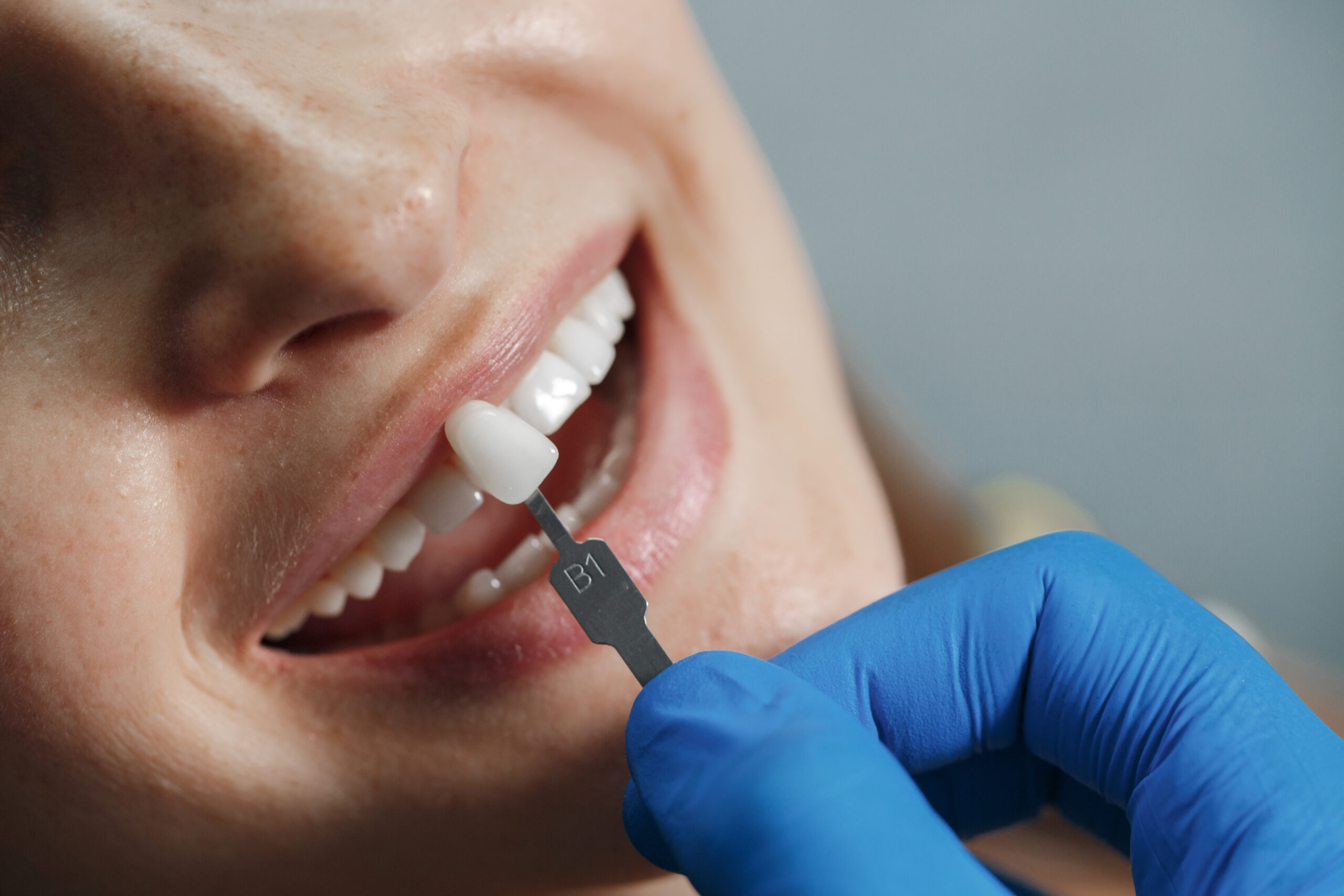
A well designed smile plays a major role in personal confidence and overall appearance. Modern cosmetic dentistry offers several solutions to improve how teeth look, and one of the most effective among them is porcelain veneers. Patients commonly explore this treatment to correct stains, gaps, chips, and uneven teeth. Along with appearance, another major consideration is teeth veneers cost and whether the treatment justifies the investment.
This article explains porcelain veneers in detail, including benefits, procedure, suitability, durability, and cost factors, so you can make an informed decision.
Understanding Porcelain Veneers
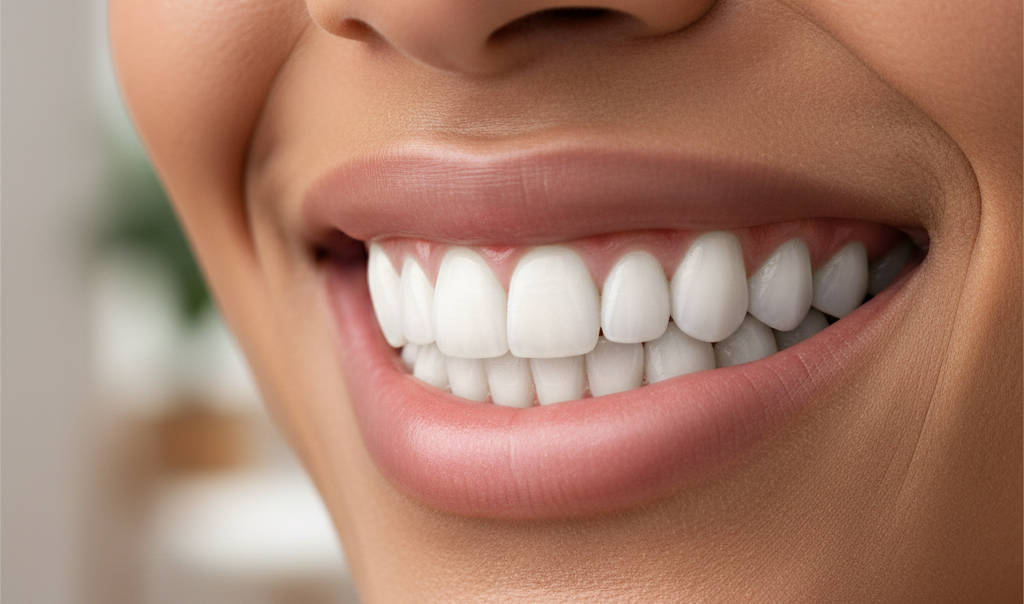
Porcelain veneers are thin, custom crafted ceramic shells that are bonded to the front surface of teeth. They are designed to replicate the translucency and texture of natural enamel, making them one of the most aesthetic cosmetic dental treatments available.
They are typically used to improve:
-
Tooth discoloration that does not respond to whitening
-
Chipped or cracked teeth
-
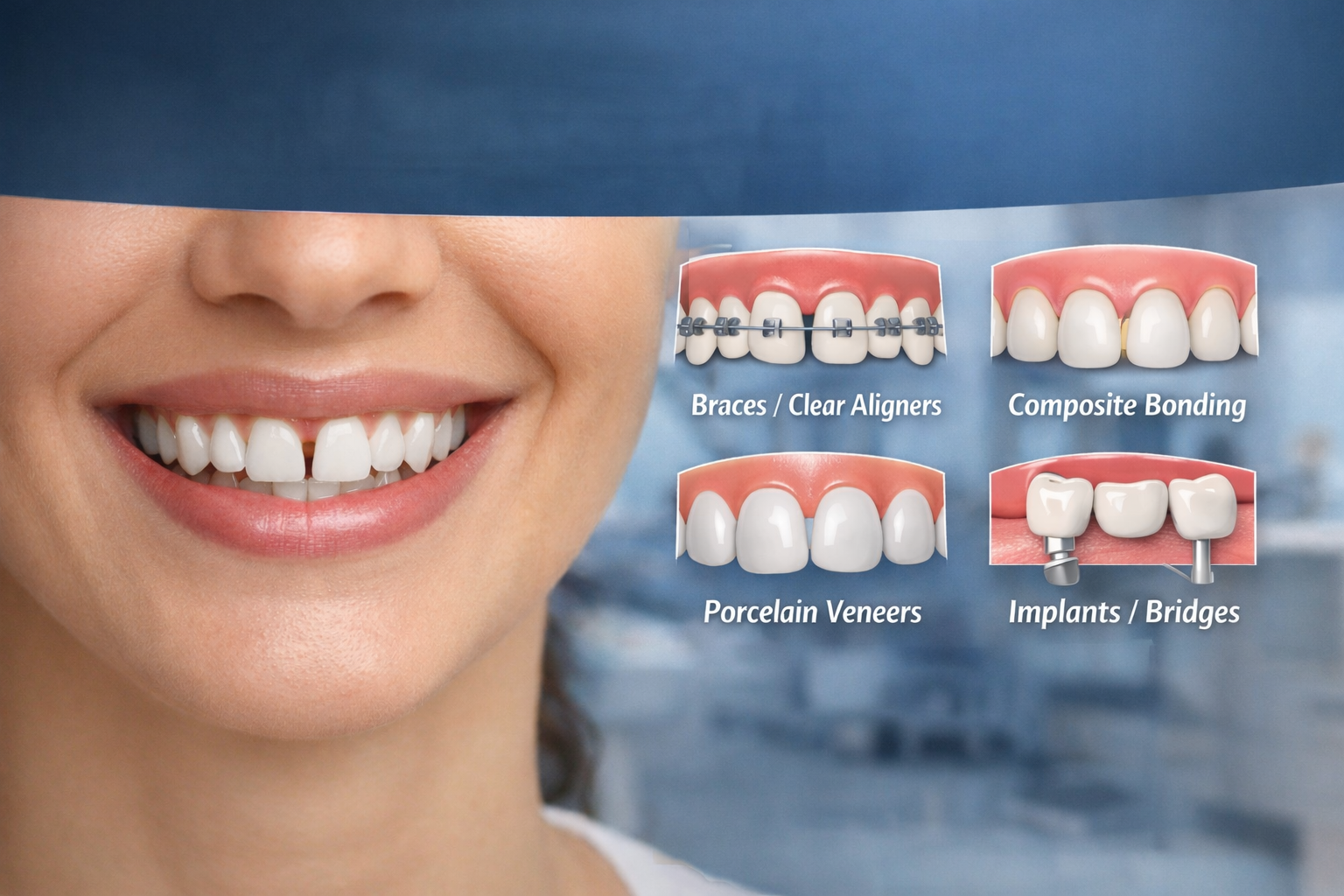
Minor spacing issues
-
Slight misalignment
-
Irregular tooth shape or size
-
Uneven smile symmetry
Because each veneer is individually designed, the final result is tailored to the patient’s facial features and smile line.
Why Porcelain Veneers Are Considered a Premium Option
There are multiple veneer materials available, but porcelain remains the preferred choice for long term cosmetic enhancement.
Natural appearance
Porcelain reflects light similarly to real tooth enamel, which creates a realistic finish.
High stain resistance
Unlike some other materials, porcelain resists stains from coffee, tea, wine, and smoking.
Durability
Porcelain veneers are strong and can last many years with proper care.
Surface stability
They are less prone to wear and discoloration over time compared to composite veneers.
For patients seeking a long lasting cosmetic upgrade, porcelain veneers are often recommended over temporary or lower cost alternatives.
Candidate Suitability for Porcelain Veneers
Porcelain veneers are ideal for patients who want cosmetic improvement rather than major structural correction. A clinical evaluation is always required before treatment.
A suitable candidate generally has:
-
Healthy gums and teeth
-
Adequate enamel thickness
-
No active decay or severe gum disease
-
Mild alignment or spacing concerns
-
Good oral hygiene habits
Patients with heavy teeth grinding or severe bite issues may need additional treatment before veneers are considered.
Clinical Procedure for Porcelain Veneers
The porcelain veneer process is systematic and typically completed over two or three dental visits.
Step 1: Consultation and smile assessment
The dentist evaluates oral health, discusses aesthetic goals, and plans the smile design using photos or digital scans.
Step 2: Tooth preparation
A thin layer of enamel is gently removed from the front surface of the tooth to create space for the veneer.
Step 3: Impressions and fabrication
Precise impressions or digital scans are taken and sent to a dental laboratory where the porcelain veneers are fabricated.
Step 4: Temporary veneers
Temporary restorations may be placed to protect prepared teeth while the final veneers are being made.
Step 5: Final bonding
The finished veneers are checked for fit and color, then permanently bonded using dental adhesive technology.
Teeth Veneers Cost and Pricing Range
Teeth veneers cost varies depending on material, dentist expertise, clinic location, and technology used. Porcelain veneers are usually more expensive than composite veneers because of lab customization and material quality.
In India, porcelain teeth veneers cost commonly falls within:
-
₹8,000 to ₹25,000 per tooth in many clinics
-
Higher ranges in premium cosmetic practices
Internationally, pricing may be significantly higher per tooth.
Factors That Influence Teeth Veneers Cost
Several elements contribute to the final treatment cost:
Material and lab quality
High quality ceramic and advanced lab processes increase both aesthetics and price.
Dentist experience
Specialists in cosmetic dentistry often charge more due to precision and smile design expertise.
Number of veneers required
Some patients need one or two veneers, while others choose multiple veneers for a full smile correction.
Technology and planning tools
Digital smile design, 3D imaging, and mockup trials can add to overall cost but improve predictability.
Clinic location
Urban and premium clinics typically have higher treatment fees.
Longevity and Maintenance
Porcelain veneers are known for their long service life. With proper oral care, they often last between 10 and 15 years, and sometimes longer.
Maintenance recommendations include:
-
Twice daily brushing
-
Regular flossing
-
Routine dental checkups
-
Avoiding very hard foods and objects
-
Using a night guard if teeth grinding is present
Good oral hygiene directly affects veneer longevity.
Safety and Tooth Structure Considerations
Porcelain veneers require minimal enamel reduction, which is irreversible. However, when properly planned and executed, the procedure is safe and does not damage teeth. The bonded veneer protects the prepared front surface.
The key factor is correct case selection and skilled clinical execution.
Conclusion
Porcelain veneers remain one of the most reliable and aesthetically advanced cosmetic dental treatments available today. They offer predictable smile enhancement, long term durability, and natural visual results. While teeth veneers cost can be higher than other cosmetic options, the outcome and lifespan often justify the investment for suitable candidates.
A professional consultation is the best starting point to evaluate suitability, receive a personalized treatment plan, and understand the exact cost and expected results.

Leave A Comment