

If you mention “Root Canal” at a dinner party, you will likely see people wince. It is perhaps the most misunderstood term in dentistry. For decades, movies and pop culture have painted Root Canal Treatment (RCT) as the ultimate painful experience—a punishment rather than a cure.
But here is the reality check: Root canals don’t cause pain; they cure it.
The severe pain you feel comes from the infection inside your tooth. The root canal procedure is the solution that removes that infection and gives you relief, often instantly. At Dental Works Clinic, we specialize in painless, single-visit root canals using advanced rotary tools that make the process faster, quieter, and more comfortable than ever before.
In this comprehensive guide, we will walk you through exactly what happens inside your tooth, the medical terms you need to know, and why saving your natural tooth is always the best option.
Anatomy 101: What is Happening Inside My Tooth?
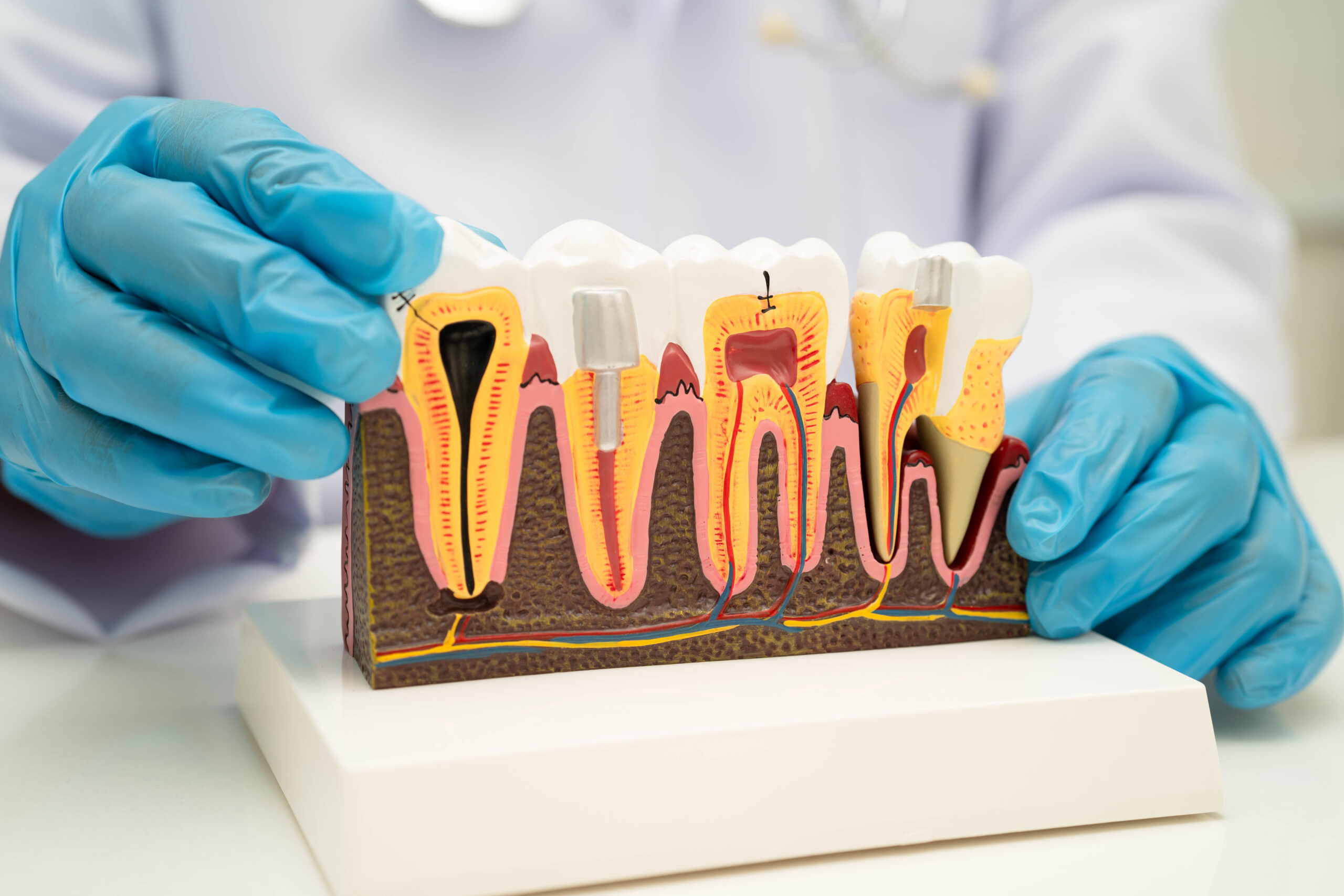
To understand why you need an RCT, you first need to understand the architecture of your tooth. It is not just a solid block of calcium; it is a living organ.
- Enamel: The hard, white outer shell. It is the hardest substance in the human body, designed to crush food.
- Dentin: The softer, yellow layer underneath the enamel. It contains microscopic tubes that transmit sensation (hot, cold, sweet) to the nerve.
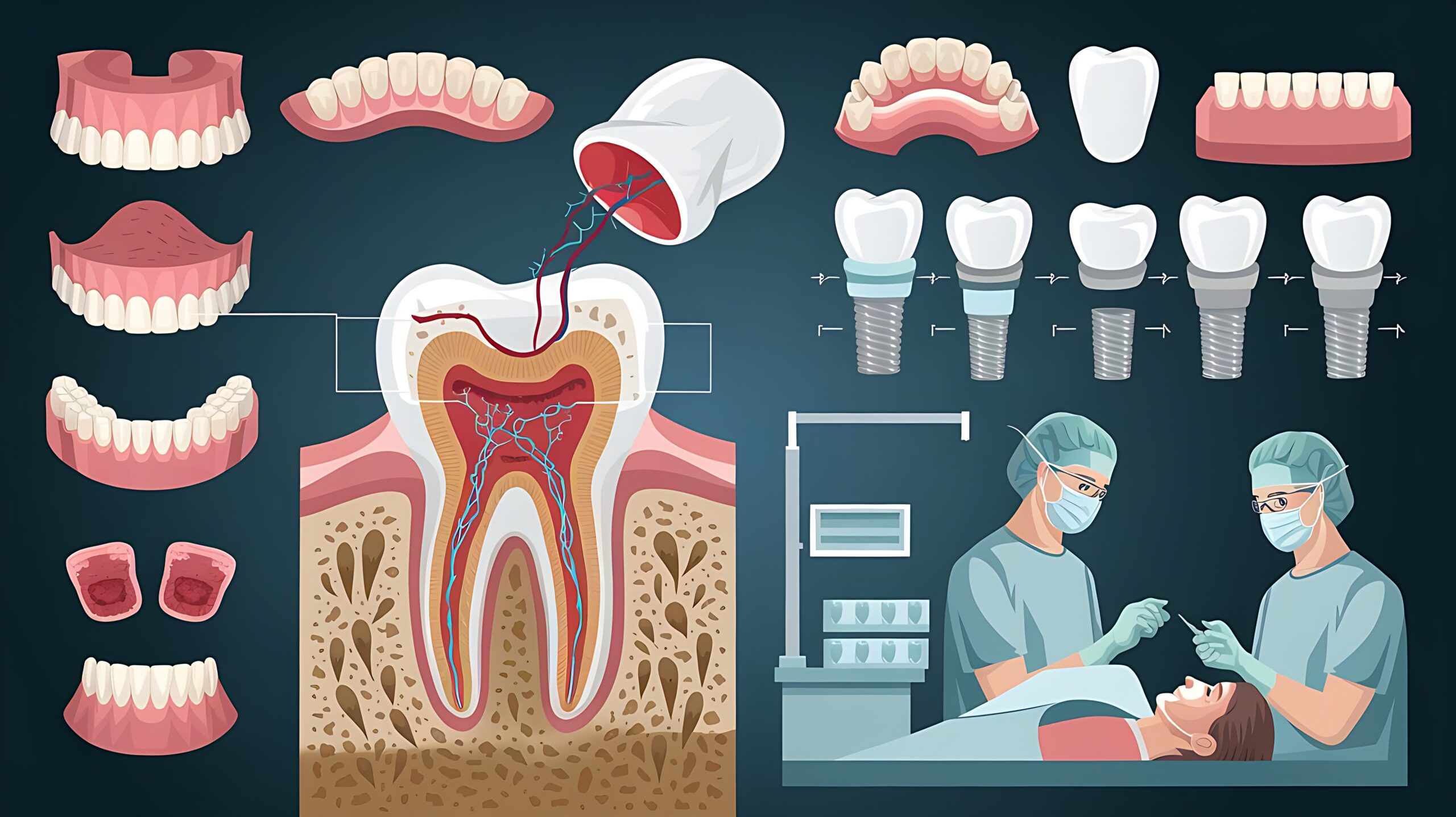
- The Pulp: This is the heart of the tooth. It is a soft tissue chamber containing nerves, blood vessels, and connective tissue. It extends from the crown of the tooth down to the tip of the roots.
So, what goes wrong? When a cavity (medical term: Caries) is left untreated, bacteria eat through the enamel and dentin until they breach the walls of the Pulp Chamber. Once bacteria enter this sterile space, the pulp has no way to defend itself. It becomes inflamed and swells. Because the tooth is a hard, closed box, there is no room for swelling, which builds massive pressure on the nerve.
This condition is called Pulpitis, and it is what causes that throbbing, sleepless-night pain.
- Reversible Pulpitis: Mild inflammation. The tooth is sensitive to cold but stops hurting quickly.
- Irreversible Pulpitis: Severe damage. The pain lingers long after the cold stimulus is gone, or hurts spontaneously. This is when an RCT is mandatory.
The Procedure: A Step-by-Step Walkthrough
At Dental Works, we believe knowledge reduces fear. Here is exactly what happens when you sit in our chair for an RCT.
Step 1: The “Numb” Phase (Local Anesthesia)
We start by applying a topical numbing gel to your gums, followed by a local anesthetic. You will feel a small pinch, and then… nothing. We wait until the entire area is completely numb. We do not pick up a single instrument until you confirm you feel absolutely zero pain.
Step 2: Isolation (The Rubber Dam)
We place a small sheet of latex (or non-latex) called a Rubber Dam around the tooth. This isolates the tooth from the rest of your mouth.
- Why? It keeps the tooth dry and sterile, preventing saliva (which contains bacteria) from entering the open tooth. It also protects you from swallowing any water or debris during the cleaning.
Step 3: Access and Cleaning (Instrumentation)
We create a tiny opening in the top of the tooth. Using specialized, flexible instruments called Files, we carefully remove the infected nerve tissue and bacteria from the root canals (the tiny tunnels inside your roots).
- The Tech Upgrade: In the past, dentists used manual hand files, which took a long time. At Dental Works, we use Rotary Endodontics—electrically powered instruments that are flexible, quiet, and clean the canals much faster and more thoroughly.
- Apex Locators: We use an electronic device that tells us exactly where the root ends, ensuring we clean the entire length of the canal without going too deep.
Step 4: Disinfection (Irrigation)
Once the physical debris is gone, we flush the canals with powerful antibacterial solutions (usually sodium hypochlorite and EDTA). This chemical wash reaches into the microscopic nooks and crannies that files can’t reach, sterilizing the tooth completely.
Step 5: Filling the Roots (Obturation)
Now that the canals are empty and sterile, we can’t leave them hollow. We fill them with a rubber-like, biocompatible material called Gutta-Percha. This is heated and compressed to seal the canals hermetically.
- Medical Term: Obturation refers to this tight sealing. It ensures that no new bacteria can enter from the mouth, and no fluid can leak in from the bone.
Step 6: The Final Restoration (The Crown)
A tooth that has had a root canal becomes brittle over time because it no longer has a blood supply keeping it hydrated. To protect it from fracturing when you chew, we almost always recommend placing a Dental Crown (cap) over it. This acts like a helmet, restoring the tooth’s strength and function.
Myths vs. Facts: Clearing the Air
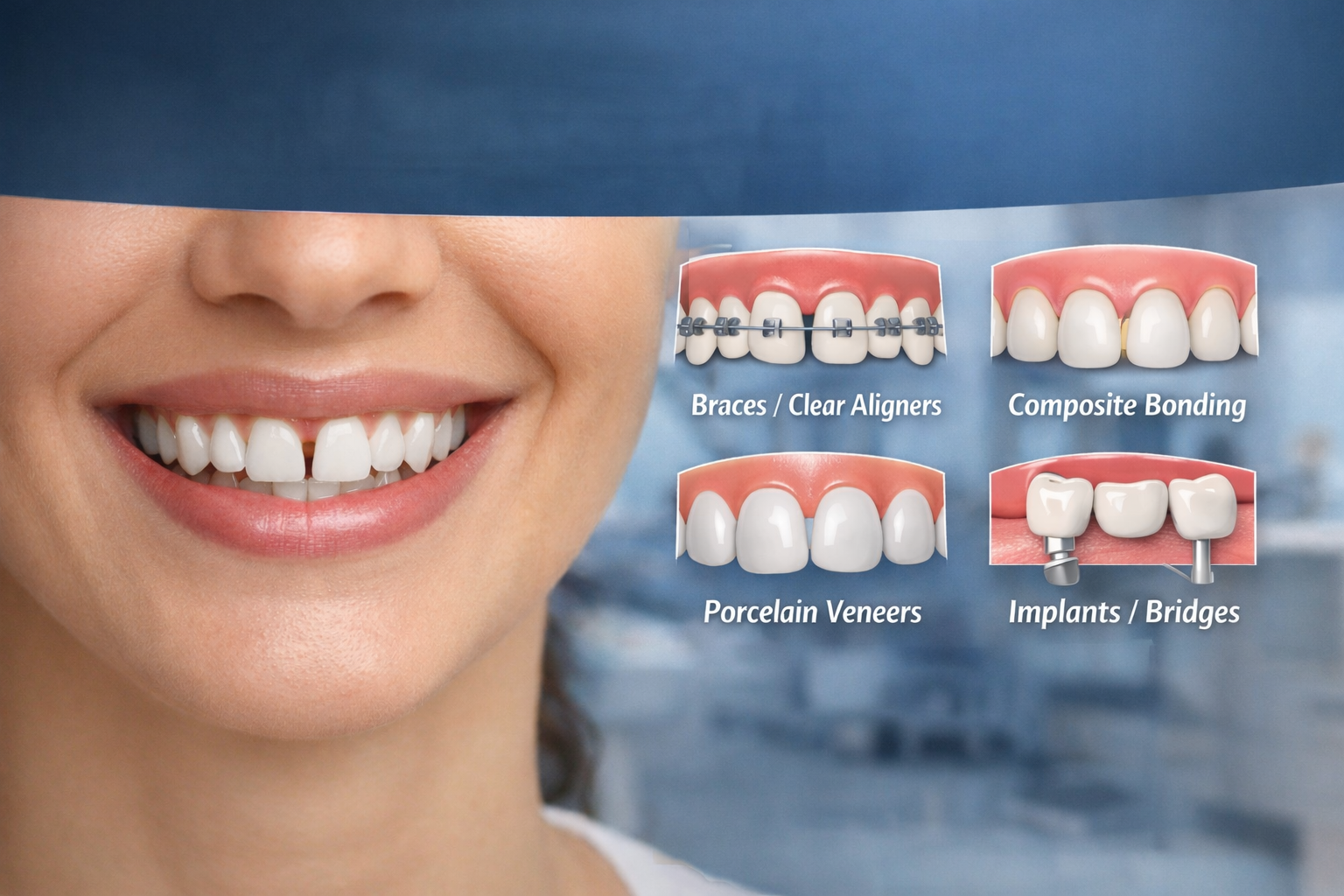
Myth: “It’s better to just pull the tooth.” Fact: Nothing functions as well as your natural tooth. Extracting a tooth leaves a gap that can cause surrounding teeth to shift, affecting your bite and jaw alignment. Replacing a missing tooth with an implant or bridge is significantly more expensive and invasive than saving it with a root canal.
Myth: “I’m not in pain anymore, so the infection is gone.” Fact: If a severe toothache suddenly disappears, it often means the nerve has died (Necrosis). However, the infection is still there. The bacteria will exit the root tip and eat away at your jawbone, forming an Abscess (a pocket of pus). You still need treatment to prevent bone loss and systemic infection.
Aftercare: What to Expect
Post-treatment, your tooth is no longer sensitive to hot or cold (because the nerve is gone!), but it might feel tender to pressure or chewing for 3-5 days. This is normal inflammation in the ligament surrounding the tooth as it heals. Over-the-counter anti-inflammatory medication (like Ibuprofen) is usually enough to manage this.
The Bottom Line: Don’t let fear dictate your dental health. If you are experiencing sensitivity, swelling, or a persistent toothache, you are likely a candidate for a root canal. It is the gold standard for pain relief and tooth preservation.


Leave A Comment